Plan a summer barbecue shop around what you can use and keep chilled
Set the menu and quantities first, then plan cold storage, preparation and leftovers before buying extra food.
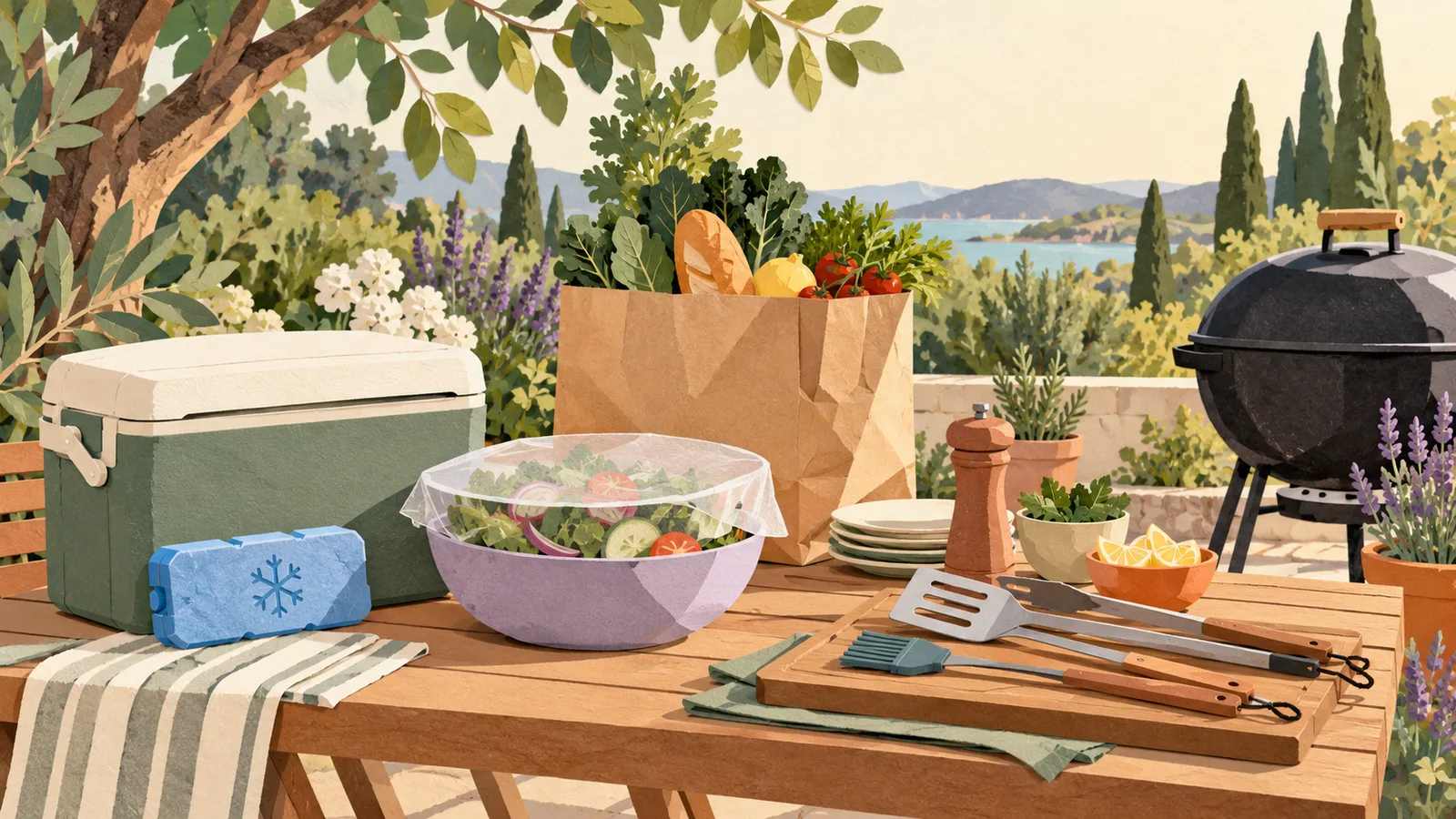
Start with a menu and a realistic head count
Before comparing barbecue specials, decide what you will serve and how many people you expect. Check what you already have, then write down the ingredients still needed for those dishes.
Keep dietary requirements separate from preferences. Check labels on sauces, marinades and prepared foods, and make a plan for keeping suitable foods and utensils separate where needed.[1]
Check the space before buying a larger pack
A larger pack can have a lower unit price while requiring more chilled storage and preparation. Check fridge or chilly-bin capacity before adding extra meat, salads or dairy foods.
MPI advises keeping food covered and chilled until cooking, and marinating meat in a covered container in the fridge or chilly bin. A discount is only useful if you can handle the food safely and use the quantity.[1]
Keep preparation and serving separate
Have separate equipment for raw and cooked foods, and keep raw meat away from salads and other ready-to-eat food. MPI advises using separate plates and utensils to prevent cross-contamination.
Follow MPI’s cooking guidance for the food you are serving. Its summer advice says chicken, tenderised meat and minced-meat products need thorough cooking; a charred outside does not establish that the middle is cooked. Use a suitable food thermometer and check the official guidance for temperatures and holding times.[1]
Make a plan for the food left over
Set out smaller portions and keep the remainder chilled until needed. That makes it easier to serve food without leaving the whole supply outside.
MPI advises covering and refrigerating leftovers, or returning them to a chilly bin with icepacks, within two hours. If that is not possible, its advice is to throw them away. Plan containers and cold space before the barbecue, rather than counting on using every leftover afterwards.[1]