Trying store brands? Compare one grocery item at a time
Check the product, test a normal-sized pack and keep the switches that work for your household.
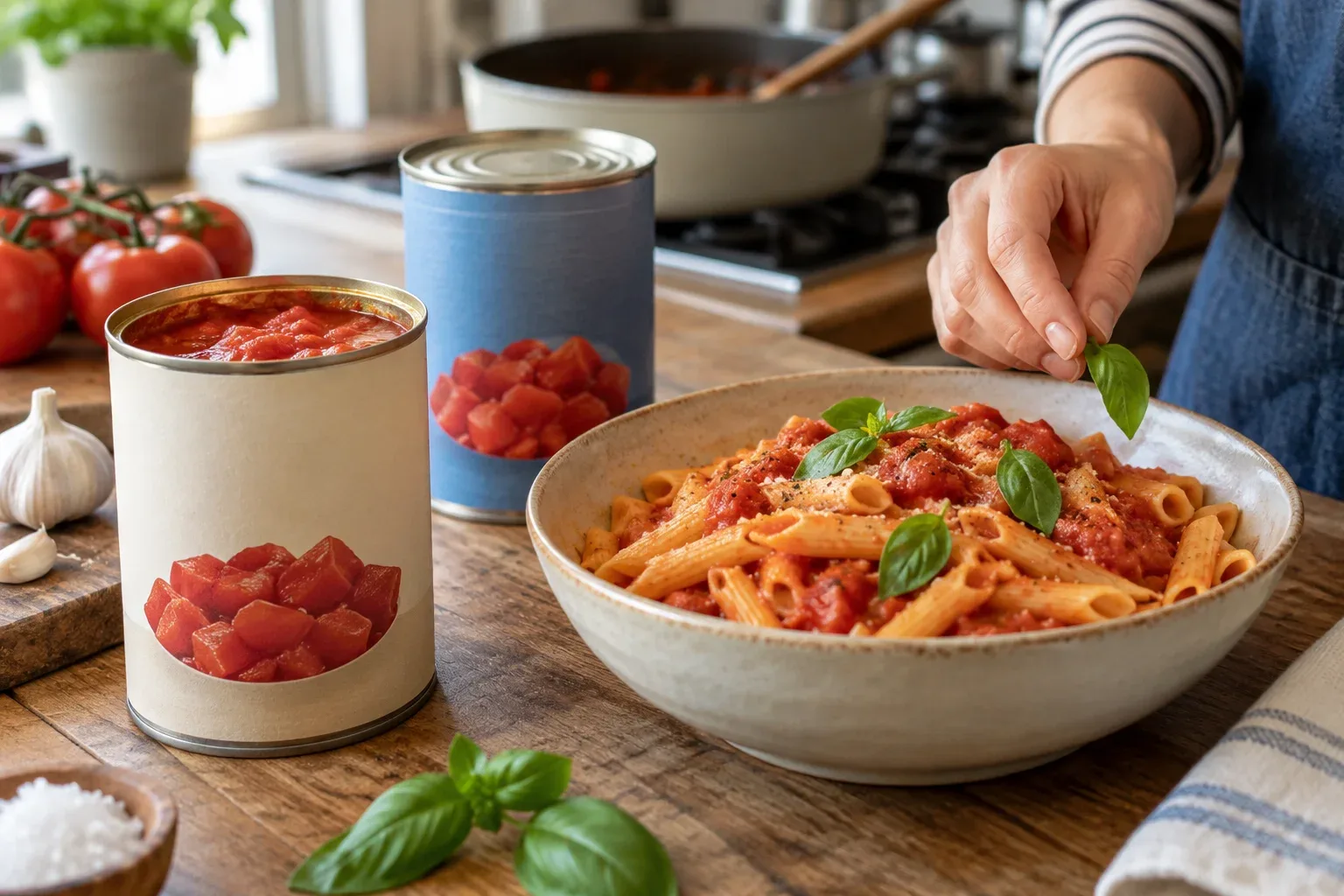
Choose an item you buy often
Pick one regular purchase you are willing to change, such as canned tomatoes, rolled oats or a household cleaning product. Compare alternatives intended for the same job. A familiar ingredient or format makes the first trial easier to judge.
Check the current prices rather than assuming a store brand always costs less. A promotion on your usual product may change the comparison for this shop.
Read past the brand name
Check ingredients, dietary information and instructions where they matter to the way you will use the product. Compare the form as well: whole tomatoes and tomato purée may not serve the same recipe, and a concentrated cleaner may need a different dose.
Look at pack sizes and unit prices for comparable products. For concentrates, you may also need to compare the recommended amount per use. Do not treat two differently concentrated products as identical just because the bottles hold the same volume.
Packaging resemblance does not prove that two products have the same recipe or manufacturer. Judge the information on the pack and your own experience.
For canned food, check the declared drained weight too if you will discard the liquid. Divide the pack price by the drained quantity in kilograms to compare the cost of the part you plan to use. Keep products packed in different liquids separate if that changes the recipe.
Test one pack in a familiar meal
For a fictional example, your usual 400 g can costs $2.20 and an alternative 400 g can costs $1.40. Trying one saves 80 cents on that purchase. If you later make the same switch on four cans, the difference is $3.20 at those prices.
Buy a normal quantity for the first trial. Use it in a meal you know, then decide whether the taste, texture and result suit you. Stocking up before trying it makes a disappointing choice more expensive.
Keep the comparison fair. If the alternative needs another ingredient to get the result you want, include that cost rather than counting only the lower can price.
Keep useful changes on your list
Add the specific product you liked to your shopping list. Keep your usual choice for items where the alternative did not work.
Recheck prices over time, including available price history for the exact product. A successful switch is one you are happy to buy again at a useful price; it does not require changing every brand in the cupboard.